300 Easy Sudoku Puzzles: A Professional KDP Interior Design
Crafting a successful digital product requires more than just content; it demands a thoughtful approach to graphic design and user experience. The **300 Easy Sudoku Puzzles | KDP Interior** exemplifies this principle, transforming a classic logic game into a polished, market-ready asset. For designers and creators, this template offers a masterclass in functional visual design, demonstrating how structure, typography, and layout converge to create an engaging user journey.
Visual Hierarchy and Editorial Flow
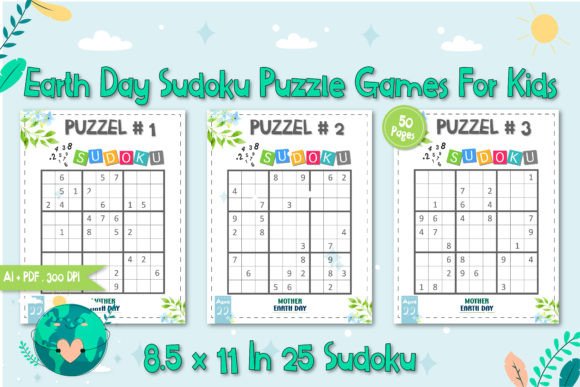
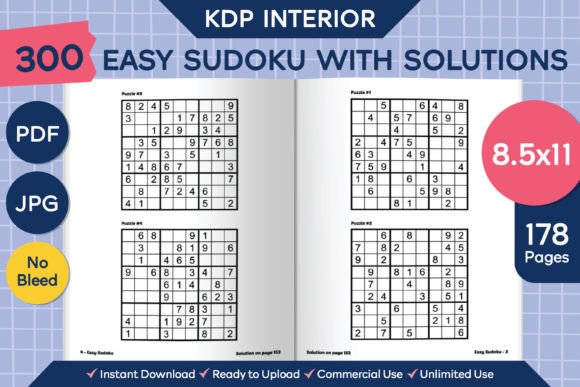
At its core, effective design is about guiding the eye. This Sudoku interior employs a clean, minimalist aesthetic that prioritizes clarity. The 8.5x11-inch page provides ample white space, a critical element in print design that reduces cognitive load. Each puzzle is presented with a strong visual hierarchy: the grid is the undeniable focal point, supported by subtle numbering and a consistent layout. This approach mirrors best practices in editorial design and UI design, where every element has a purpose and placement that serves the user's goal—in this case, uninterrupted puzzle-solving.
The thoughtful pagination is a lesson in UX design. The flow from a personalized name page to instructional content, then into the puzzle sequences, and finally to solutions creates a seamless narrative. This kind of intentional structure is vital for any digital product, whether it's an e-book, a workbook, or a planner, as it builds trust and enhances perceived value.
Practical Applications for Creative Projects
While designed for Amazon KDP, the principles within this Sudoku book template have broad applications across various creative and commercial projects. Consider how its core components can inspire other work:
- Brand Consistency: The uniform design across 178 pages is a perfect example of maintaining brand identity through repetitive, clean elements. This consistency is key in packaging design and corporate stationery.
- Marketing Collateral: The clear layout and professional presentation could inspire the design of interactive PDFs, lead magnets, or promotional activity books for marketing campaigns.
- Digital Product Design: The file structure, offering both a single PDF and individual JPGs, highlights the importance of versatile asset delivery—a crucial consideration for modern digital marketing and e-commerce.
- Merchandise and Print Design: The "no bleed" specification and high-resolution output ensure print-ready quality, a non-negotiable standard for any designer working on physical products, from journals to posters.
Tips for Selecting and Evaluating Design Assets
When sourcing creative assets like this KDP interior, a designer's critical eye is essential. Evaluate templates not just on aesthetics, but on their foundational design choices.
- Assess Readability and Scalability: Check that typography is legible at the intended size. The clean lines of a Sudoku grid should remain crisp, much like a well-designed logo must work at any scale.
- Examine the Visual System: Look for a cohesive color palette and consistent spacing. A strong system, as seen here, makes customization easier and ensures a professional result.
- Consider the User Journey: How does the asset guide the end-user? A logical flow, like the one from puzzle to solution, is fundamental to good UX design and should inform everything from web design to presentation decks.
Ultimately, resources like the **300 Easy Sudoku Puzzles | KDP Interior** serve as a valuable case study in practical, user-centered design. They remind us that the most effective creative assets are those that balance aesthetic appeal with impeccable functionality, ensuring that every interaction—whether solving a puzzle or navigating a brand touchpoint—is intuitive, enjoyable, and professionally executed. Investing in such quality foundations elevates both the creator's workflow and the final audience's experience.