Easter Connect the Dots: A Design Asset for Focused Creativity
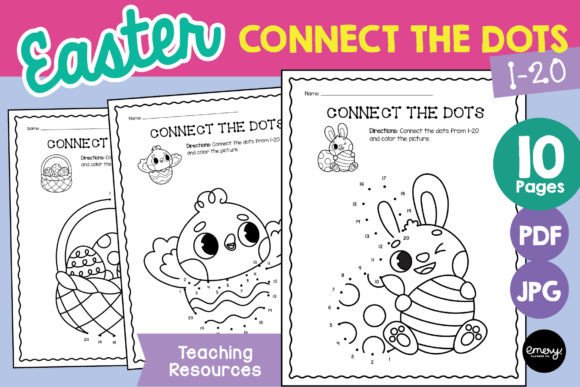
Discover how a simple, focused activity can become a powerful tool for visual engagement and brand reinforcement this season. In the dynamic world of graphic design, we often seek assets that are both functional and evocative. The Easter Connect the Dots | Dot to Dot worksheets exemplify this balance, offering a structured yet playful visual experience. These resources are more than just a pastime; they are a masterclass in guided discovery, a principle that can be applied across numerous design disciplines to capture and hold audience attention.
At its core, connecting the dots is an exercise in sequential logic and visual payoff. For a designer, this mirrors the process of building a brand identity or a marketing campaign, where individual elements (the dots) must be strategically placed to reveal a cohesive and compelling final image (the brand story). The included pack of 10 worksheets, formatted at 8.5x11 inches in a versatile black-and-white PDF and JPEG format, provides a clean, adaptable foundation. This monochromatic palette is a designer's ally, ensuring maximum print flexibility and allowing for seamless integration into various creative projects without color-matching conflicts.
Practical Applications in Visual Communication
The utility of these Easter Connect the Dots worksheets extends far beyond their primary function. Consider their potential within broader design workflows and marketing strategies.
- Brand Engagement & Marketing Materials: Incorporate these dot-to-dot puzzles into direct mail campaigns, in-store activity sheets, or branded packaging inserts. They transform passive consumers into active participants, creating a memorable interaction with your brand. The act of completing the image fosters a sense of accomplishment and positive association.
- Social Media & Digital Content: Create a series of posts where you reveal one section of the dots each day, building anticipation. Use the completed image as a festive profile picture or a backdrop for promotional graphics. The interactive nature encourages shares and comments, boosting algorithmic visibility.
- Editorial & Web Design: In a holiday-themed newsletter or on a website's landing page, a connect-the-dots activity can serve as an engaging break from text-heavy content. It improves user experience (UX) by offering an interactive element that is both simple and rewarding, increasing time-on-page metrics.
- Packaging & Merchandise: Imagine a product box for Easter treats where the back panel features a branded connect-the-dots puzzle. This adds tangible value and extends the unboxing experience. The final revealed image could even be a hidden discount code or a QR code, bridging print and digital marketing.
Integrating Design Elements for Maximum Impact
To leverage such an asset effectively, thoughtful integration with your existing design system is key. The black-and-white nature of the worksheets makes them a perfect complement to any color palette. You can print them on brand-colored paper or use them as a template to add your own typography and logos around the margins. This ensures consistency with your brand identity while utilizing the engaging format.
When evaluating any creative asset, consider its visual hierarchy and scalability. The clear, numbered dots in these worksheets guide the user's eye and hand, creating a natural flow. This principle of guided navigation is crucial in UI design and editorial layout. Furthermore, the vector-clean lines ensure the graphics remain crisp whether used as a small social media icon or scaled for a print design poster, maintaining a professional presentation at any size.
Ultimately, the most effective designs are those that communicate clearly and resonate emotionally. By choosing high-quality, purpose-driven design inspiration