Framed Vintage Scapes Vol.1: A Timeless Design Resource
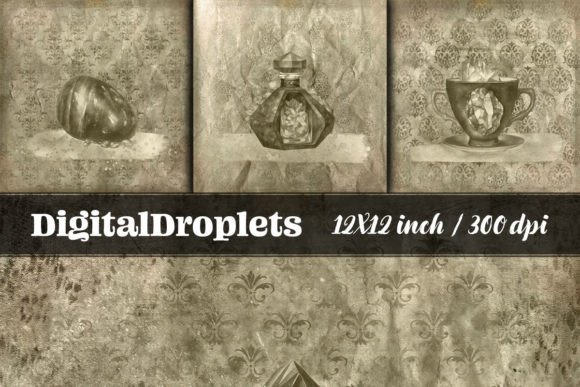
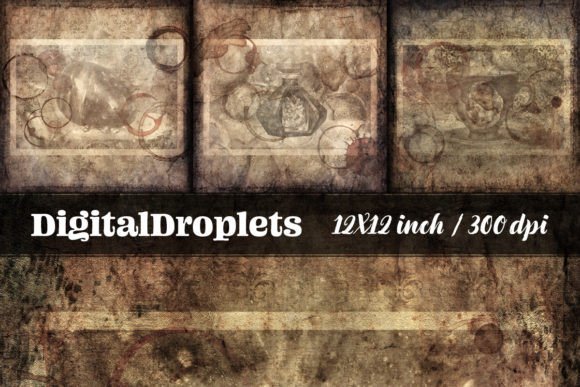
Every designer knows the challenge of finding a background that tells a story without overpowering the content. The Framed Vintage Scapes Vol.1 collection offers a sophisticated solution, providing a set of 20 high-resolution, 12x12 digital papers that serve as foundational creative assets for a multitude of projects. This collection is more than just a set of textures; it is a curated toolkit for adding instant depth, history, and visual interest to your design work.
Understanding the Aesthetic: What Makes This Collection Unique?
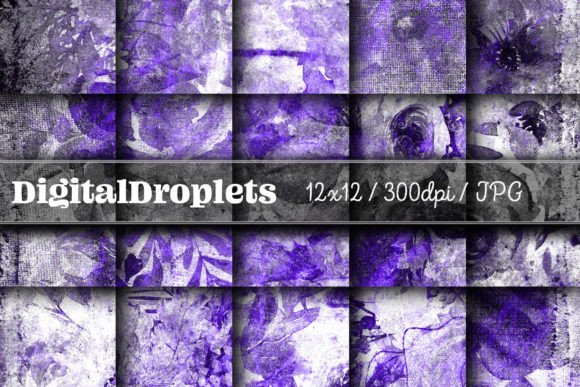
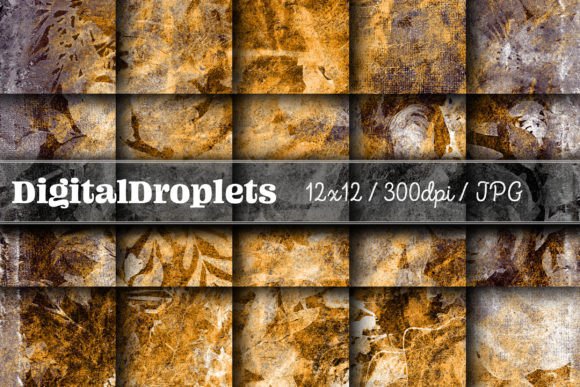
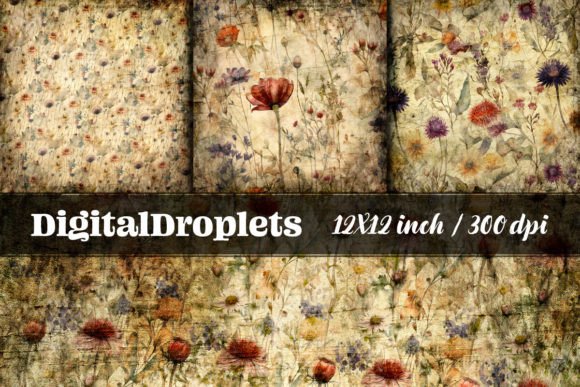
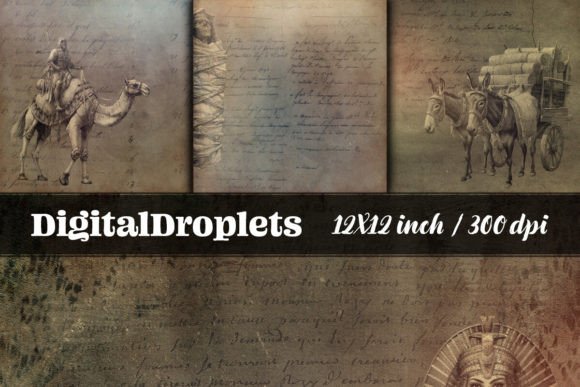
At its core, this paper set masterfully blends two key visual elements: structure and decay. Each 12x12 paper features a distinct, ornate frame—a hallmark of classical graphic design and portraiture—centered on aged, scratchy backgrounds. Within these frames lie unique, evocative objects, creating a focal point ripe with narrative potential. The overall effect is enhanced by carefully blended dust and scratch textures, subtle coffee stains, and overlaid damask patterns. This combination results in a rich, tactile quality that is highly sought after in modern design trends, where authenticity and a handmade feel can significantly boost user engagement.
Practical Applications for Modern Design and Branding
The true value of a versatile asset like Framed Vintage Scapes Vol.1 lies in its application. Its style is exceptionally effective for projects aiming to evoke nostalgia, elegance, or a sense of heritage. For brand identity, these papers can establish a powerful mood, particularly for artisanal brands, boutique studios, or any business wanting to convey craftsmanship and history.
Enhancing Digital and Print Marketing
In the realm of digital marketing and social media graphics, unique backgrounds are essential for stopping the scroll. These papers can serve as compelling backgrounds for quote graphics, promotional banners, and Instagram story layouts. Their textured nature adds a layer of professional polish that flat, digital colors often lack. For print design, the applications are equally broad:
- Editorial Design: Use them as full-page backgrounds for magazine features or as accent panels in book layouts.
- Packaging Design: Create labels and inserts for products like artisanal foods, candles, or stationery that require a vintage touch.
- Invitations and Cards: Design memorable wedding invitations, greeting cards, or event programs with built-in elegance.
Integrating into Creative Projects and UI Design
For creators working in scrapbooking, junk journaling, or collage art, this set provides a ready-made foundation. The frames naturally guide composition, helping to build a clear visual hierarchy. Even in web and UI design, where modern aesthetics often dominate, a single textured background can be used strategically to break monotony, highlight a key section like a testimonial or "About Us" block, and enhance the overall user experience by adding visual warmth.
Tips for Effective Implementation
Successfully incorporating such a distinct style requires thoughtful execution. First, consider consistency. If using these papers as part of a brand system, ensure the vintage aesthetic aligns with your typography, color palette, and logo design. Pairing them with serif or script fonts often creates a harmonious look. Second, manage readability. When overlaying text, use solid or semi-transparent shape overlays to ensure sufficient contrast against the busy, textured backgrounds. Finally, think about scalability. While perfect for digital and print at 300dpi, always preview how intricate details will render at smaller sizes, such as on mobile UI or planner stickers.
The thoughtful selection of creative assets is a critical component of a designer's workflow. A resource like Framed Vintage Scapes Vol.1 demonstrates how a well-conceived set of design elements can streamline the creative process while elevating the final product. By choosing assets that offer both aesthetic depth and practical versatility, designers and creators can craft more compelling visual communication, strengthen brand narratives, and ultimately produce work that resonates more deeply with their audience.