Learning Alphabet and Beginning Sounds: A Designer's Guide to Visual Literacy
In the realm of graphic design and brand communication, the foundational elements of visual language are paramount. A resource like "Kindergarten Learning Alphabet and Beginning Sounds" offers more than just an educational tool for early learners; it presents a masterclass in clarity, structure, and foundational design principles. For designers, marketers, and creators, understanding how to introduce core concepts through visual and interactive means is key to creating effective communications that resonate across all ages.
The Core Design Principles Behind Alphabet Learning
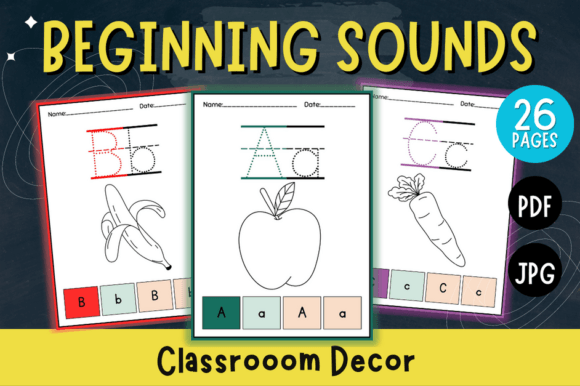
At its heart, this resource excels by applying fundamental graphic design principles to pedagogy. The use of colorful visuals and interactive activities creates a strong visual hierarchy, guiding the young learner's eye and focus. This mirrors the work of any designer tasked with creating a brand identity or logo design, where every element must serve a purpose and contribute to overall comprehension. The structured approach to recognizing uppercase and lowercase letters parallels the meticulous process of developing a consistent typography system for a brand, ensuring readability and cohesion across all touchpoints.
Practical Applications for Modern Creative Projects
The principles embedded within "Kindergarten Learning Alphabet and Beginning Sounds" have direct applications across numerous design disciplines. Consider how the clear, playful methodology can inspire:
- Brand Identity & Logo Design: The focus on distinct letterforms and sounds is a reminder that a logo must be immediately recognizable and phonetically suggestive of the brand it represents.
- Marketing & Social Media Graphics: The engaging, activity-based format is a blueprint for creating digital marketing content and social media graphics that encourage interaction and boost user engagement, a core goal of any UX design.
- UI & Web Design: The resource’s clear progression from letter recognition to sound identification informs the creation of intuitive user interfaces. It demonstrates how to build a logical flow that guides users seamlessly from point A to point B, enhancing the overall user experience.
- Packaging & Editorial Design: The balance of imagery and text, and the emphasis on clear communication, is essential for packaging design that stands out on a shelf and for editorial layouts that prioritize readability and visual appeal.
Furthermore, the 26-page, multi-format (PDF and JPEG) delivery of this resource highlights the importance of versatile creative assets in a modern design workflow. Having assets available in both vector-friendly and raster formats ensures compatibility across print design and digital platforms, from presentations and advertising campaigns to merchandise and digital products.
Evaluating and Implementing Foundational Visual Elements
When selecting or creating educational or branded materials, several factors are critical for success. Consistency in color palette and visual style builds recognition and trust. Readability, especially in typography, must be prioritized to ensure the message is communicated effectively to the intended audience. Scalability is another key consideration; a design element must maintain its integrity whether viewed on a small mobile screen or a large printed banner. Finally, every element should contribute to a clear visual hierarchy, guiding the viewer’s attention to the most important information first, much like this resource prioritizes letter recognition before delving into complex phonetic rules.
Ultimately, resources that break down complex ideas into engaging, structured components are invaluable. "Kindergarten Learning Alphabet and Beginning Sounds" serves as a potent reminder that the best design—whether for a child’s workbook or a global brand—begins with a deep understanding of its audience and a commitment to clear, beautiful, and functional communication. Investing in thoughtfully crafted assets is an investment in the clarity and impact of your message.