Scary Halloween Vol.7 Collection: Elevate Your Spooky Designs
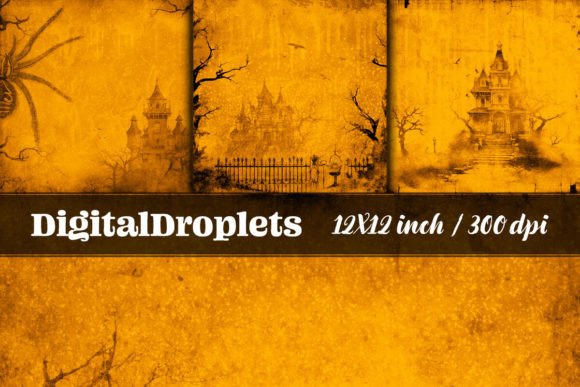
For graphic designers and creative professionals, sourcing high-quality, thematic assets that avoid visual repetition is a constant challenge. The Scary Halloween Vol.7 | Collection, particularly its 12×12 Paper Set, presents a solution that combines atmospheric depth with practical versatility. This curated set of 20 papers, featuring unique haunted houses layered over varied vintage backgrounds and textures, is engineered to provide distinct visual narratives for each project, eliminating the common pitfall of repetitive elements in a single collection.
Strategic Applications in Visual Design
Beyond seasonal scrapbooking, these textured papers serve as foundational elements for a wide array of design contexts. Their inherent visual hierarchy and moody aesthetics can significantly strengthen brand identity for niche markets, enhance marketing collateral, and create immersive user experiences. Consider their utility in the following professional scenarios:
- Brand Identity & Logo Design: Use the papers as textured backdrops for logo presentations or as patterns for branded merchandise, establishing a distinct, atmospheric mood for businesses in entertainment, hospitality, or themed retail.
- Marketing & Social Media Graphics: Create compelling, engagement-driven social media posts, event invitations, or digital advertisements. The textured layers add a tactile quality to flat screens, improving visual impact in crowded feeds.
- Packaging & Editorial Design: Apply the papers as backgrounds for product labels, gift wrap, or editorial layouts in magazines and lookbooks. They provide a rich, consistent texture that supports typography and imagery without competing for attention.
- Web & UI Design: Integrate subtle paper textures as website backgrounds or UI card elements to add depth and character, aligning with modern design trends that favor organic, layered aesthetics over sterile flat design.
Principles for Effective Implementation
Integrating a themed asset like the Scary Halloween Vol.7 | Collection 12×12 Paper Set of 20 Papers into a professional workflow requires strategic consideration. To maximize its value and ensure design cohesion, focus on these core principles:
Maintaining Visual Hierarchy and Readability
The detailed backgrounds are designed to support, not overshadow, primary content. When overlaying text or logos, employ techniques like adding a semi-transparent color overlay, using a solid shape as a text box, or selecting areas of the paper with lower visual noise. This ensures your message remains legible while benefiting from the atmospheric texture.
Ensuring Brand Consistency and Scalability
Evaluate how the collection's color palette and texture style align with your existing or target brand system. The vintage paper and haunted house motifs evoke a specific narrative. Use them consistently across touchpoints—from social media graphics to printed flyers—to build a cohesive brand story. The high-resolution 300dpi JPEG files ensure scalability for both digital use and high-quality print projects, from planner stickers to large-format wall art.
Leveraging Variety for Dynamic Projects
The deliberate variety within the set—where no two papers repeat the same textures or objects—is a significant asset. This allows designers to create a series of related but distinct materials. For a campaign, you could design a set of 20 unique social media posts, each with a different background from the collection, maintaining thematic unity while keeping the visual presentation fresh and engaging for the audience.
Ultimately, thoughtful design choices are about matching the right visual language to the project's goals and audience expectations. Investing in quality, versatile creative assets like the Scary Halloween Vol.7 | Collection streamlines the design workflow, elevates the final aesthetic, and ensures that every piece of communication, whether a digital ad or a physical card, resonates with professional polish and intentional storytelling. By focusing on utility, consistency, and strategic application, designers can transform thematic elements into powerful tools for visual communication.