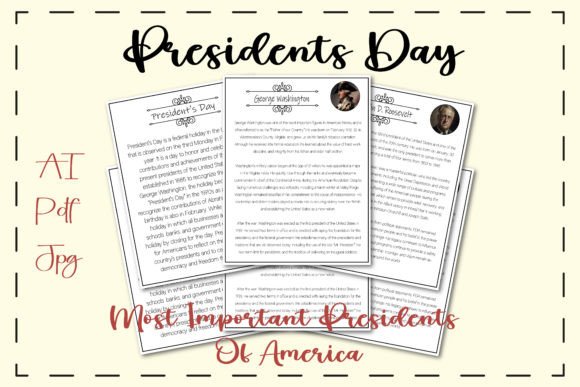
The Five Most Important Presidents of USA: A Design Inspiration
Presidents' Day, a holiday honoring the nation's leaders, offers a unique lens for visual designers seeking timeless inspiration. The lives and legacies of figures like George Washington, Abraham Lincoln, Thomas Jefferson, Theodore Roosevelt, and Franklin D. Roosevelt are not just historical lessons; they are case studies in leadership, communication, and lasting impact. For creatives, understanding the Five Most Important Presidents of USA provides a rich foundation for projects that require gravitas, historical depth, and a sense of enduring legacy.
Translating Presidential Legacy into Visual Language
The core challenge in graphic design is to communicate complex ideas swiftly and memorably. The imagery associated with these presidents—iconic portraits, historic documents, and monumental architecture—provides a powerful visual vocabulary. This aesthetic can be leveraged to create brand identities that convey trust, authority, and stability. A financial institution, a law firm, or an educational brand might draw from the solemnity of Lincoln's portraits or the authoritative typography of early American documents to build a credible brand identity.
Practical Applications for Modern Design
Incorporating presidential themes into your work requires thoughtful application. Here’s how these assets can elevate various creative projects:
- Branding & Logo Design: Utilize neoclassical elements, such as architectural motifs or serif typography reminiscent of period documents, to craft logos that feel established and trustworthy.
- Editorial & Packaging Design: For book covers, reports, or premium packaging, a layout inspired by historical document design—using structured grids, elegant borders, and a muted, sophisticated color palette—can create a powerful visual hierarchy that commands respect.
- Marketing & Social Media Graphics: Create compelling content for historical observances, educational materials, or corporate communications. Using high-quality portraits or stylized illustrations of these leaders can instantly frame a message with context and significance.
- Web & UI Design: Apply the principles of clarity and order found in official presidential communications to UI design. This can translate to clean layouts, legible typography, and a structured information hierarchy that enhances user experience.
Key Design Principles from Historical Aesthetics
When using these themes, focus on the fundamentals that make the aesthetic effective. The strength of presidential imagery lies in its clarity and purpose. Prioritize readability with classic, well-spaced typefaces. Use a restrained color scheme—often featuring deep blues, golds, creams, and charcoal—to maintain a professional presentation. Ensure any visual design elements are scalable, working as well on a small social media graphic as on a large-format print. The goal is not to replicate history, but to channel its inherent qualities of strength and permanence into a modern aesthetic.
Integrating this historical depth into your design workflow can significantly enhance creative projects that aim for a sense of legacy and authority. By selecting the right creative assets—whether it's a textured background, a classic serif font, or a carefully composed layout—you can build visual narratives that resonate deeply. Ultimately, thoughtful design choices that draw from such a profound well of inspiration do more than beautify; they communicate values, build trust, and create a lasting impression that elevates the entire brand experience.