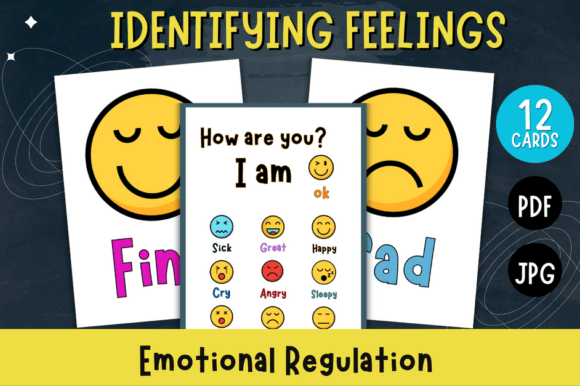
Identifying Feelings: Emotional Regulation for Visual Clarity
In the fast-paced world of design, where every pixel and palette choice carries weight, the most impactful tool isn't a new software plugin—it's understanding human emotion. The Identifying Feelings: Emotional Regulation program provides a foundational framework for this, offering designers and creators a unique lens through which to view their work. By developing our own emotional intelligence, we gain profound insight into the feelings our designs evoke in others, transforming static assets into powerful communication tools.
Why Emotional Intelligence Matters in Design
Graphic design is fundamentally about solving problems and communicating messages visually. Whether crafting a brand identity, designing a user interface, or creating a marketing campaign, success hinges on connecting with an audience on an emotional level. A designer who can identify and regulate their own feelings brings greater empathy and clarity to the creative process. This self-awareness allows for more intentional choices in color palette, typography, and visual hierarchy, ensuring the final product resonates authentically.
Practical Applications Across Creative Projects
Integrating the principles of emotional awareness elevates work across all design disciplines. Here’s how this understanding translates into tangible creative assets:
- Branding and Logo Design: A logo must encapsulate a brand's personality. Understanding emotions helps select shapes and colors that convey trust, excitement, or innovation, building a stronger brand identity.
- Marketing & Social Media Graphics: Digital marketing relies on evoking specific reactions. Knowing the emotional impact of imagery and layout can boost engagement and drive action in social media graphics and advertising.
- UI/UX Design: In web design and UI design, emotional regulation aids in creating intuitive, stress-free user experiences. A calm, clear interface reduces cognitive load and fosters positive user sentiment.
- Editorial & Packaging Design: For packaging design and editorial layouts, the goal is to tell a story. Emotional insight guides the selection of imagery and composition that captivates and informs the viewer.
Integrating Emotional Insight into Your Design Workflow
Applying this knowledge is a practical step toward more effective design. Consider these tips for your next creative project:
- Audit for Emotional Consistency: Review your design assets—from typography to iconography. Ensure every element supports the intended emotional tone of the message, creating a cohesive visual design system.
- Test with Empathy: Before finalizing, view your work through the lens of your target audience. How might a user feel navigating this website or unboxing this product? Use this perspective to refine visual hierarchy and clarity.
- Curate a Mood-Driven Palette: Go beyond aesthetic trends. Select a color palette and imagery that intentionally evoke the desired feelings, whether it's the calm of a wellness brand or the energy of a tech startup.
Ultimately, the most memorable and effective designs are those that forge a genuine connection. By embracing the principles found in resources like Identifying Feelings: Emotional Regulation, designers and creators can move beyond mere decoration. They can craft experiences that are not only visually stunning but also emotionally intelligent, building stronger brands, more engaging content, and more meaningful relationships with their audience through thoughtful, purposeful design.